Xiegu XPA125B · Volume 4
Xiegu XPA125B — Vol 4: Reference
100W HF/6m amp with built-in antenna tuner
4.1 Tips and tricks
4.1.1 ALC cable is non-negotiable for SSB
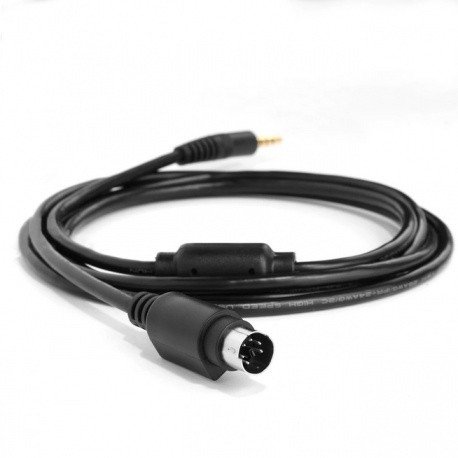
Without ALC, the rig’s audio compressor will routinely overshoot the amp’s linear region on voice peaks, generating IMD that splatters into adjacent frequencies. The fix is a $5 cable. Build the ALC cable first, before you even attempt SSB at full power. The cable’s pinout is in the XPA125B manual and the X6100 manual; verify both ends before powering up the first time. (Pin-out specifics — TBD: verify against the unit and the X6100 service manual.)
4.1.2 Use CAT for band-data, not RF auto-sense
CAT-driven band switching is instant and accurate; RF auto-sense takes 100-300 ms of carrier presence to detect the band, during which time the amp passes drive through the wrong band filter — which can momentarily distort and (in pathological cases) damage the filter. Wire up the CAT line; the few minutes of cabling pay off forever.
4.1.3 Set fan mode to AUTO, not ALWAYS-OFF
Sounds obvious, but the menu lets you do it. Some users disable the fan thinking they’ll get quieter operation — and then thermal-trip on a 30-second CW transmission and wonder what happened. Don’t.
4.1.4 Tune at low power, transmit at full
Drop drive to ~10-20% before pressing TUNE. The tuner finds the same match at any power level, and tuning at 100 W is gratuitous heating. After the match is found, bump the drive back up and transmit normally.
4.1.5 Watch the temperature on long digital sessions
A small thermometer probe (or just a finger after the fan stops) on the heatsink during a long FT8 run will tell you whether you’re approaching thermal trip. If the heatsink is hot enough that you can’t keep a finger on it for 5 seconds (~50-55 °C), back off to 50-70 W and let it recover. Better yet, drop to 50 W at the start of the session and don’t worry about it.
4.1.6 The built-in tuner has limits — keep an external tuner in the kit
For random-wire antennas, EFHW configurations near band edges, or any setup where SWR routinely exceeds 3:1, an LDG AT-200ProII or MFJ-993B downstream of the amp will tune what the internal tuner can’t. See Antennas Vol 17 (Antenna tuners) for the full external-tuner deep dive. The internal tuner is great for the 80% case; the external tuner is the backup for the other 20%.
4.1.7 Turn the amp OFF, not standby, when leaving the bench
Standby still draws ~0.5-1 A (relays plus front panel). Power-off draws zero. For overnight, weekend, or any extended off-time, hit the switch. The amp boots in ~2 seconds; there’s no reason to leave it powered.
4.1.8 Don’t power-cycle until the fan stops
After a long transmission, the fan runs for 30-60 seconds to shed residual heat. Wait for it to stop before flipping the power switch. Cutting power while the heatsink is still 60+ °C and trapping the heat with no airflow can stress the LDMOS junction.
4.2 Resources
Manuals:
- Xiegu XPA125B operator’s manual —
../manuals/xiegu-xpa125b/(PDF; covers front-panel operation, menu reference, DIP switches, ALC pinout, troubleshooting). The manual ships with the unit; if missing, downloadable from Xiegu’s official site.
Vendor and distributor:
- Xiegu official site (CN/EN): https://www.xiegu.eu/?p=xiegu-xpa125b (EU distributor mirror)
- Radioddity (US distributor): https://www.radioddity.com/products/xiegu-xpa125b
- Ham Radio Outlet (US retailer): https://www.hamradio.com (search “XPA125B”)
Community and reviews:
- eHam reviews: https://www.eham.net/reviews/view-product?id=14017
- Reddit r/amateurradio + r/amateursatellites threads on XPA125B (search “XPA125B” + “ALC cable” or ”+ X6100” for the high-signal threads)
- QRZ.com forums — Xiegu user group thread
- YouTube — Frank K4FMH, Walt KZ1X, and a handful of POTA-focused channels have multi-part XPA125B reviews and setup walk-throughs (especially the X6100 + XPA125B integration cable build)
Related volumes:
- Vol 1 (Overview, decision graph)
- Vol 9 (Xiegu X6100) — the matched drive radio
- Vol 3 (Programming software) — cross-software view of the Xiegu ecosystem
- Vol 4 (Frequency planning) — band-by-band operating plan
- Antennas Vol 5 (Feedlines) — coax loss math at 100 W
- Antennas Vol 6 (Single-band dipoles)
- Antennas Vol 7 (Multi-band & specialty dipoles)
- Antennas Vol 10 (Random wire & end-fed)
- Antennas Vol 16 (BALUNs and UNUNs)
- Antennas Vol 17 (Antenna tuners)
- Antennas Vol 20 (Grounding)
- Antennas Vol 29 (Use-case Matrix)
- Antennas Vol 31 (Regulatory & RF Safety) — MPE calculations at 100 W
Comments (0)